
SZPHOTON
光锥 (FOT)
光锥 (FOT)
无法加载取货服务可用情况
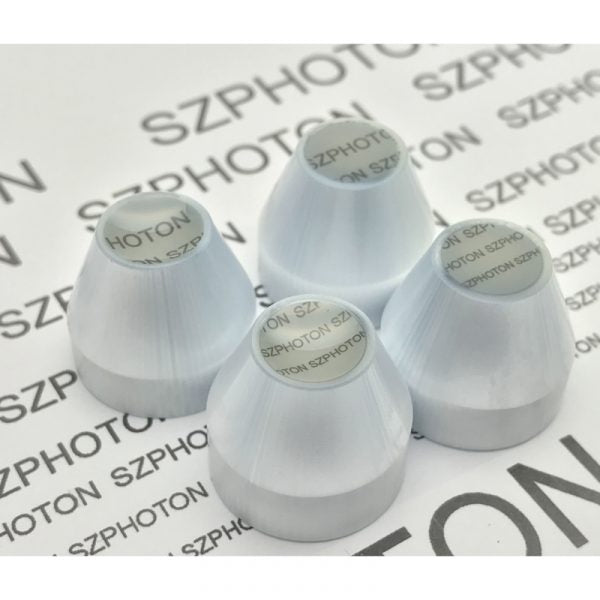
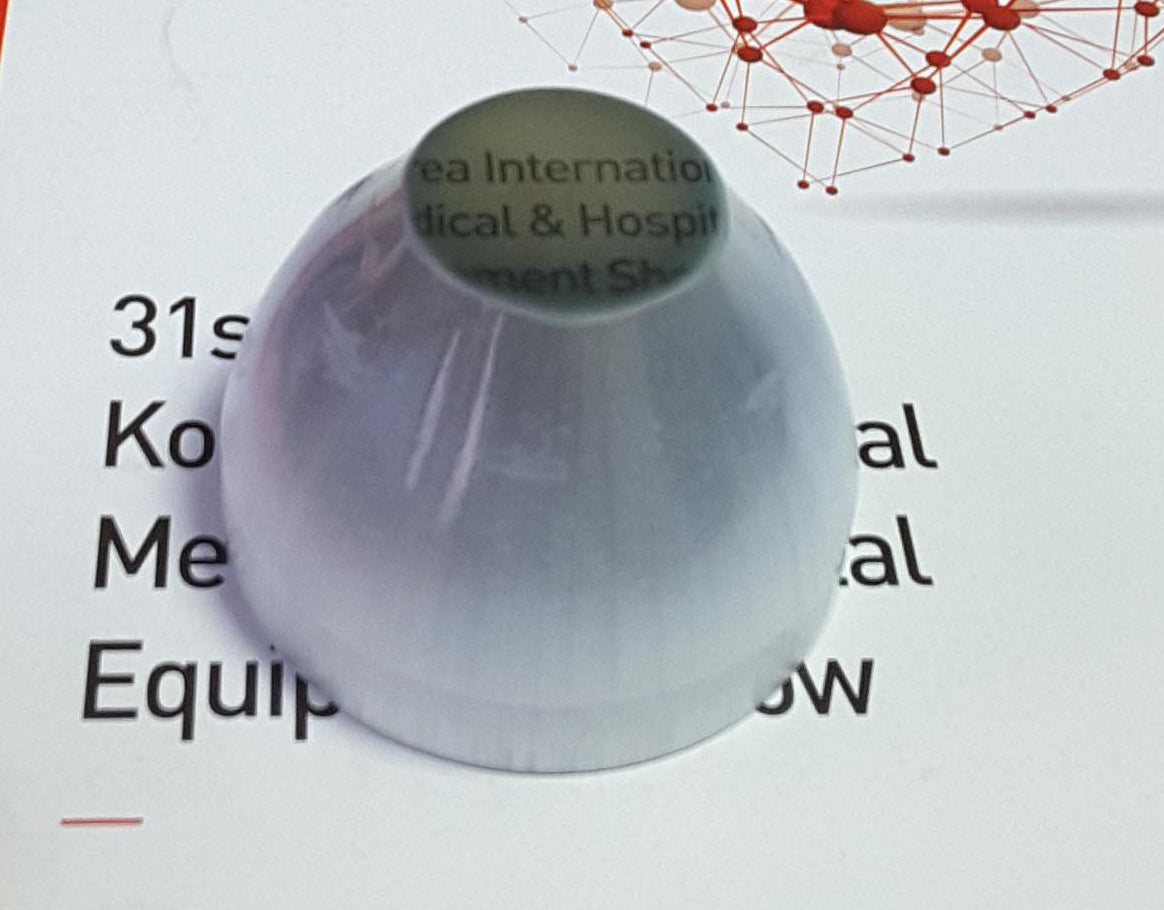
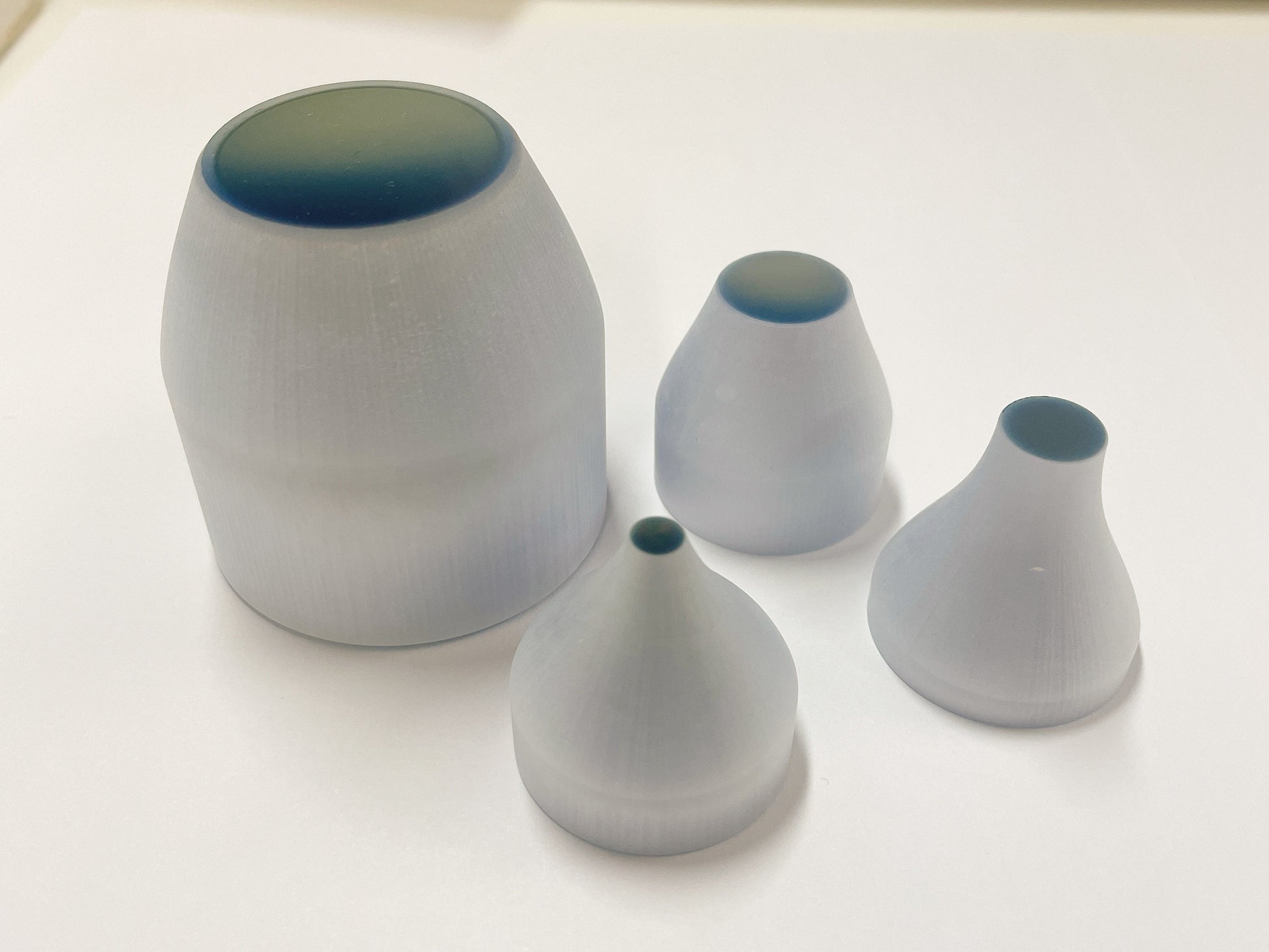
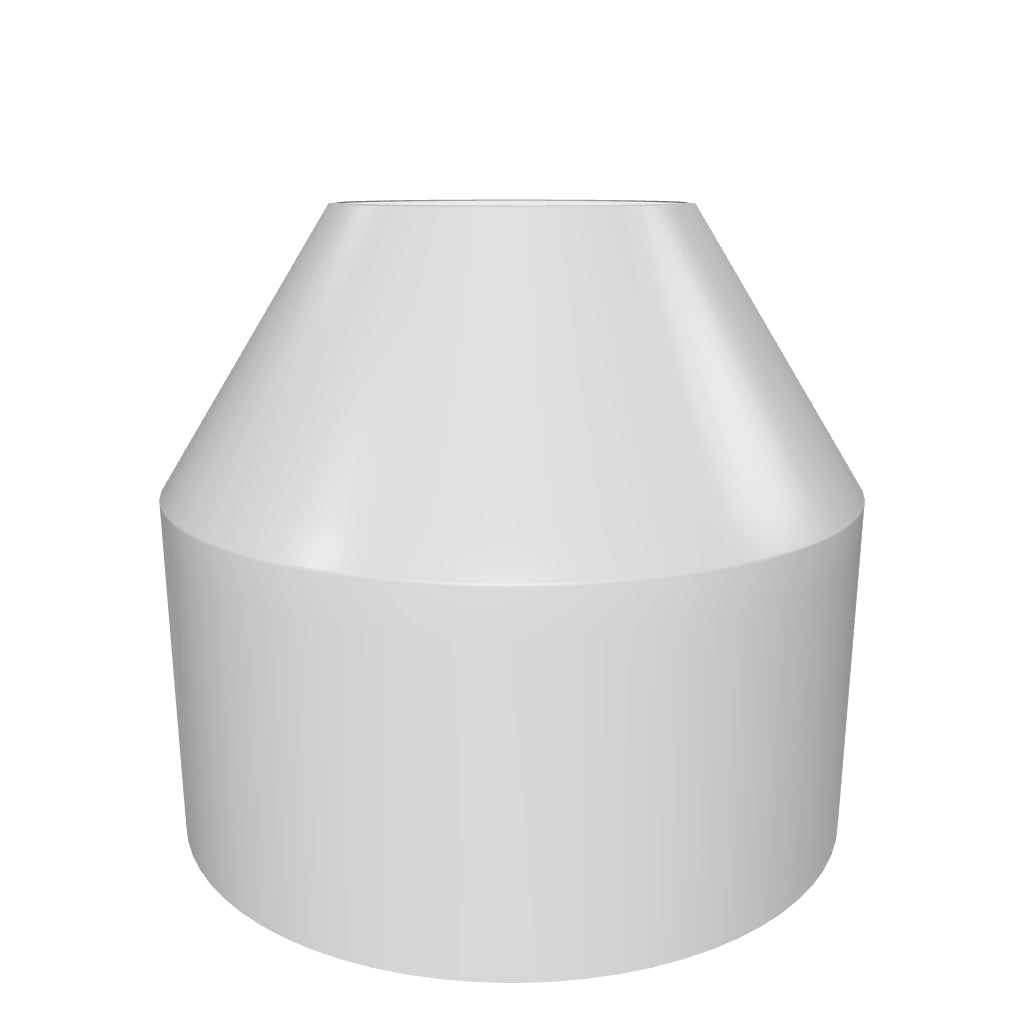
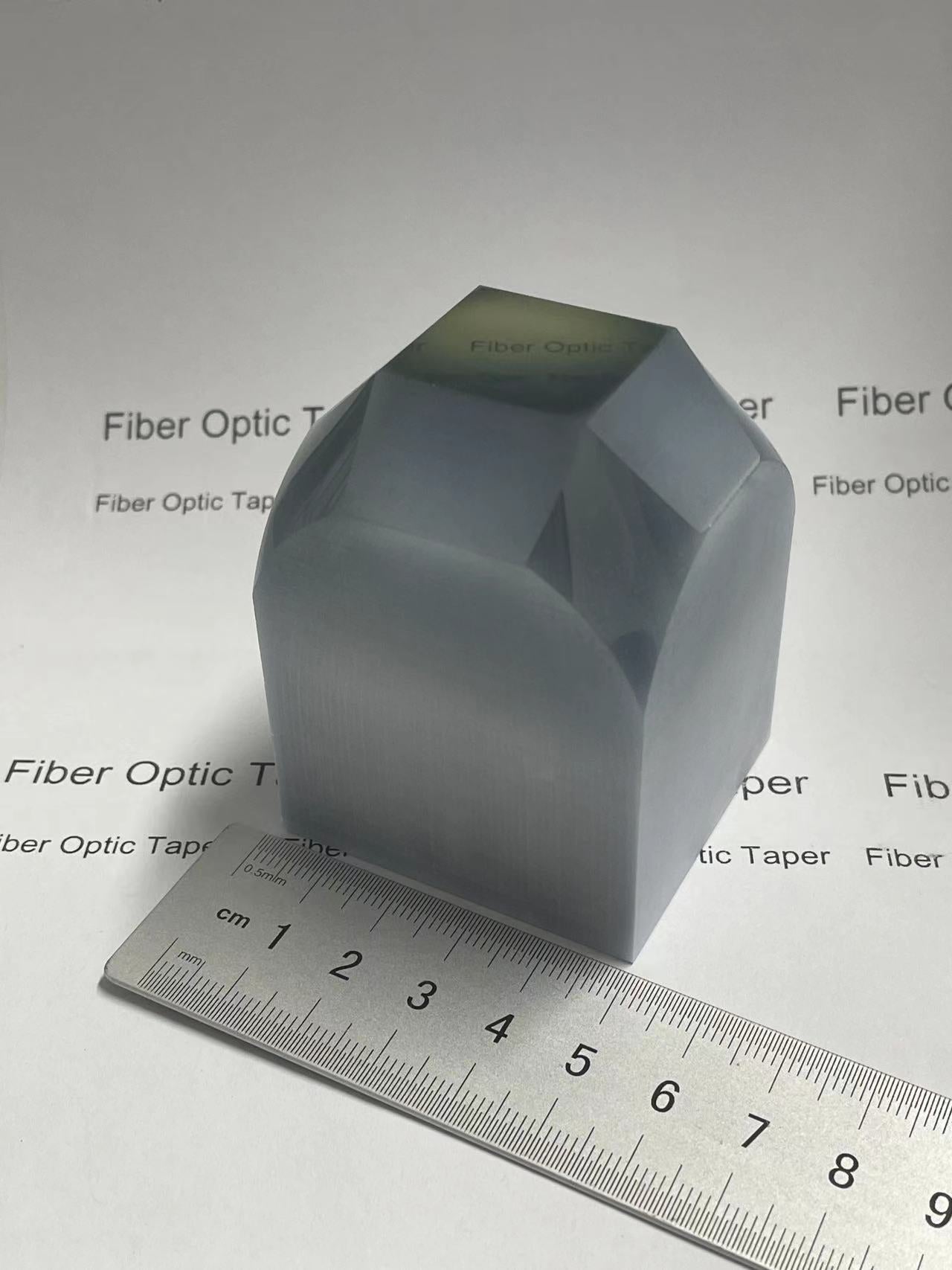
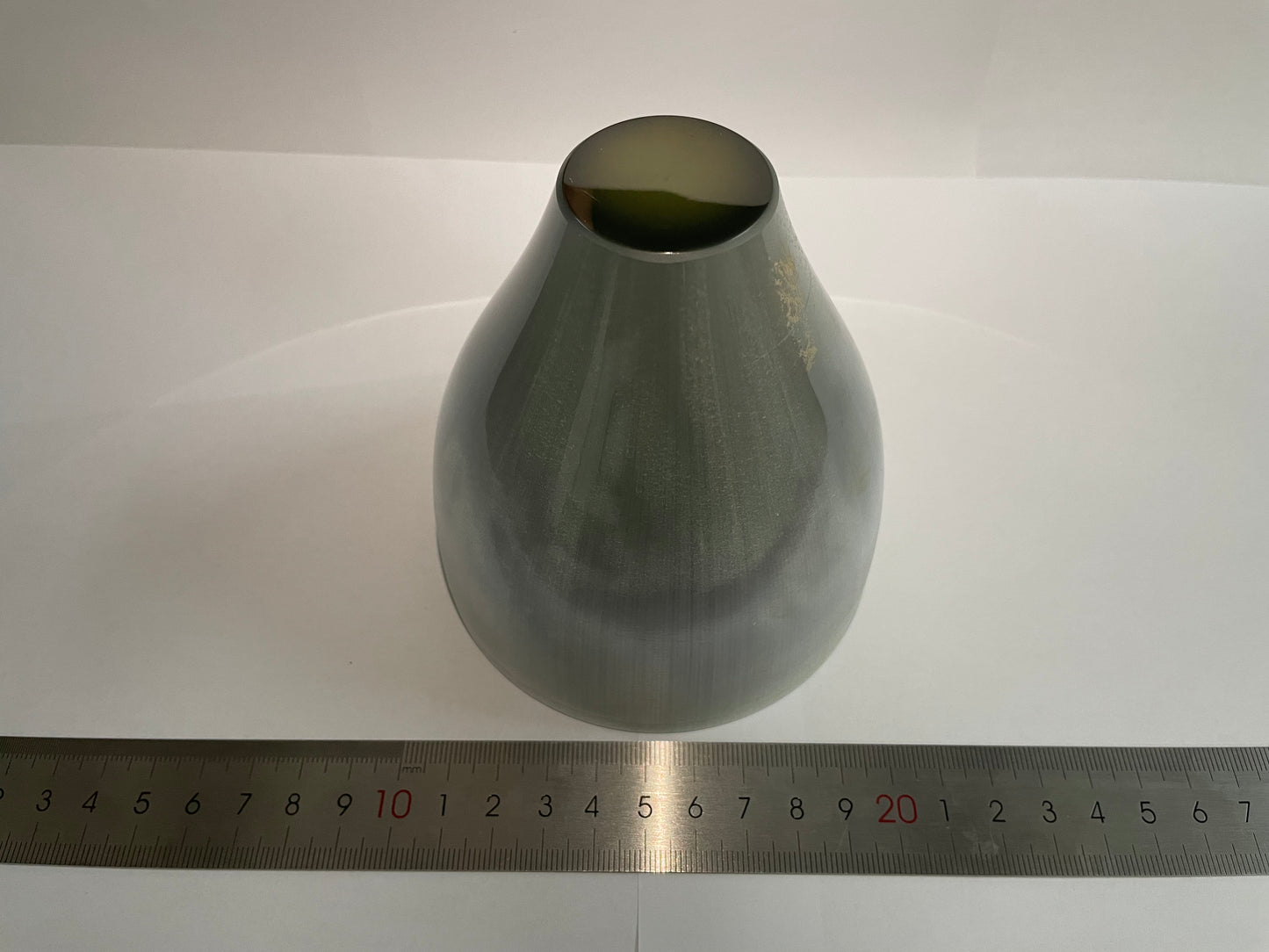
光锥(FOT)可用于各种应用,例如将图像适配到不同尺寸的传感器、聚集光能或减小光学系统的尺寸。
- 1.5 倍 – 7 倍图像放大率(或聚集率)
- 结构紧凑(比透镜系统体积更小)
- 无球面像差、彗形像差
- 配置简单(直接耦合到传感器)
Specifications
-
(Large End) Fiber Diameter
The fiber size on large end of the taper
- Typical Value: 6.0um / 10.0um
- Min Value: 4.0um
- Max Value: 15.0um
*Note: The fiber diameter is different on big end and small end.
-
(Small End) Fiber Diameter
The fiber size on the small end of the taper.
*Note: This is a dependency value, which related to Magnification ratio and Large End Fiber Diameter
- Typical Value: ≥2.5um
- Min Value: 2um
- Max Value: NA
-
Magnification Ratio
Key Parameter of Fiber Optic Taper. Defines the Magnifying power of the component.
- Typical Value: 1.5x-3x
- High Value: 3.1x- 7.0x
*Note:
- Higher magnification ratio may reduce the light transmission further.
- FOT with 3X magnification usually needs customization.
-
Shape of FOT
The geometric of Large end and Small end of the Fiber Optic Taper.
Typical Shapes:
- Round to Round
- Square to Square
Availablility: Square, Round, Step, Concave
-
Numerical Aperture (N.A)
The numerical aperture (NA) for fiber is a measure of the range of angles within which light that is incident on the fiber will be transmitted along it.
- Theorical Value: 1
- Practical Value: 0.65 - 0.85
*Note:The numerical aperture here is referred to N.A on small end.
-
Resolution
The resolution here is expressd in the terms of lp/mm.
Typical Value:
- 50lp/mm (10um)
- 102lp/mm (6um)
- 166lp/mm (3um)
- 230lp/mm(2um)
*Note:Testing with USAF1951, all results are under theoretical testing condition.
"lp/mm" is a pair of black and white squares in object space, which are the smallest elements that can be distinguished by the system.
-
Material Characteristic
- Thermal Expansion Coeff.
(20-300°)
= (60-90) x 10**(-7) / °C - Vacumm Tightness
< 10 - 12Pa · m3/s - Transmission (Collimated Light)
Approx 75 ~ 85% - Wavelength Range
400nm ~ 1400nm - Interestital Fibers (EMA)
Yes - XRAY Absorption
Yes
*Note:EMA are used to absorb the stray light inside the fiber optic taper.
- Thermal Expansion Coeff.
-
Quality Factors
Below are typical quality metrics for Fiber optic taper, final products may vary depends on the setup.
- Surface Quality: 40-20
- Surface Accuracy: 2λ (P-V)
- Max Shear Distortion: <40um
- Max Gross Distrotion: <65um
- Max Image Shift: <180um
- Max Barrel Distrtion: <3%
- Max Blemishes: < 90um
- Clear Aperture: 90% - 95%
-
Height of the Taper
- Taper Height: Minimum Taper Height can be made to 0.8-1.0x of the Large End Taper Diameter
For example, a taper with large end diameter of 30mm will have a height around 24~30mm.*Note:This is not a definite value, could vary depending on the tapering process
-
Customizable Specifications
These are the independent specifications you can change freely when customizing a Taper.
- Surface Size
- Shape
- Large End Fiber Diameter
- Magnification Ratio
Below are dependency specifications of the fiber optic taper. (Related to other properties, can't be changed independently)
- Small End Fiber Diameter
- Resolution
- N.A (Inherit from material)
- Transmission
-
Designing Tips
- Bigger surface will cost more than smaller surface. A surface diameter less than 50mm is good for saving the cost.
- Transmission is inherit from the material property and also related to the taper height.
- If you haven't use the Fiber Optic Taper before, consider to buy a stock unit from us to understand its performance better.
-
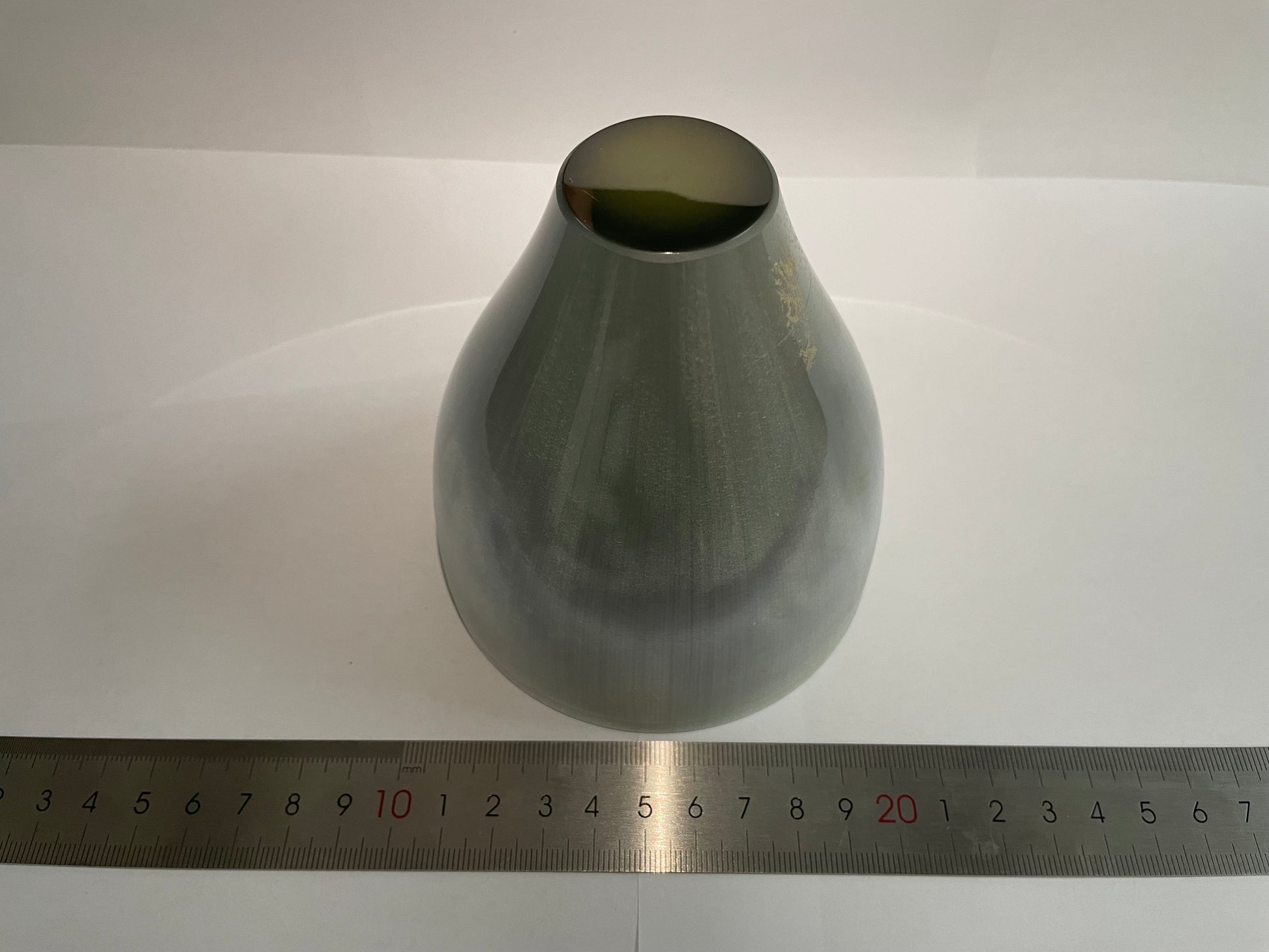
Fiber Optic Taper with 7x Magnification Ratio
-
Fiber Optic Taper with 3x Magnification Ratio
-
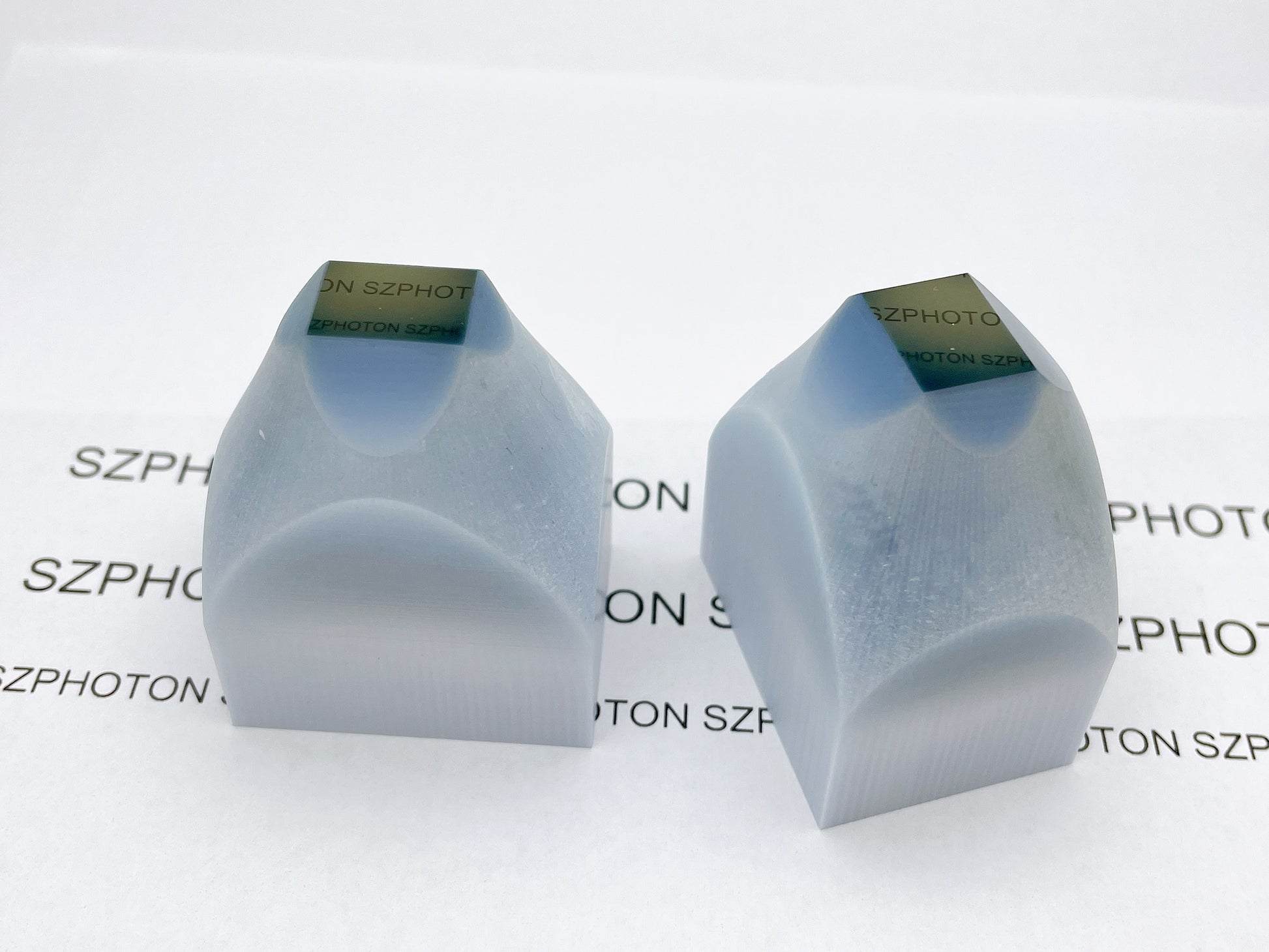
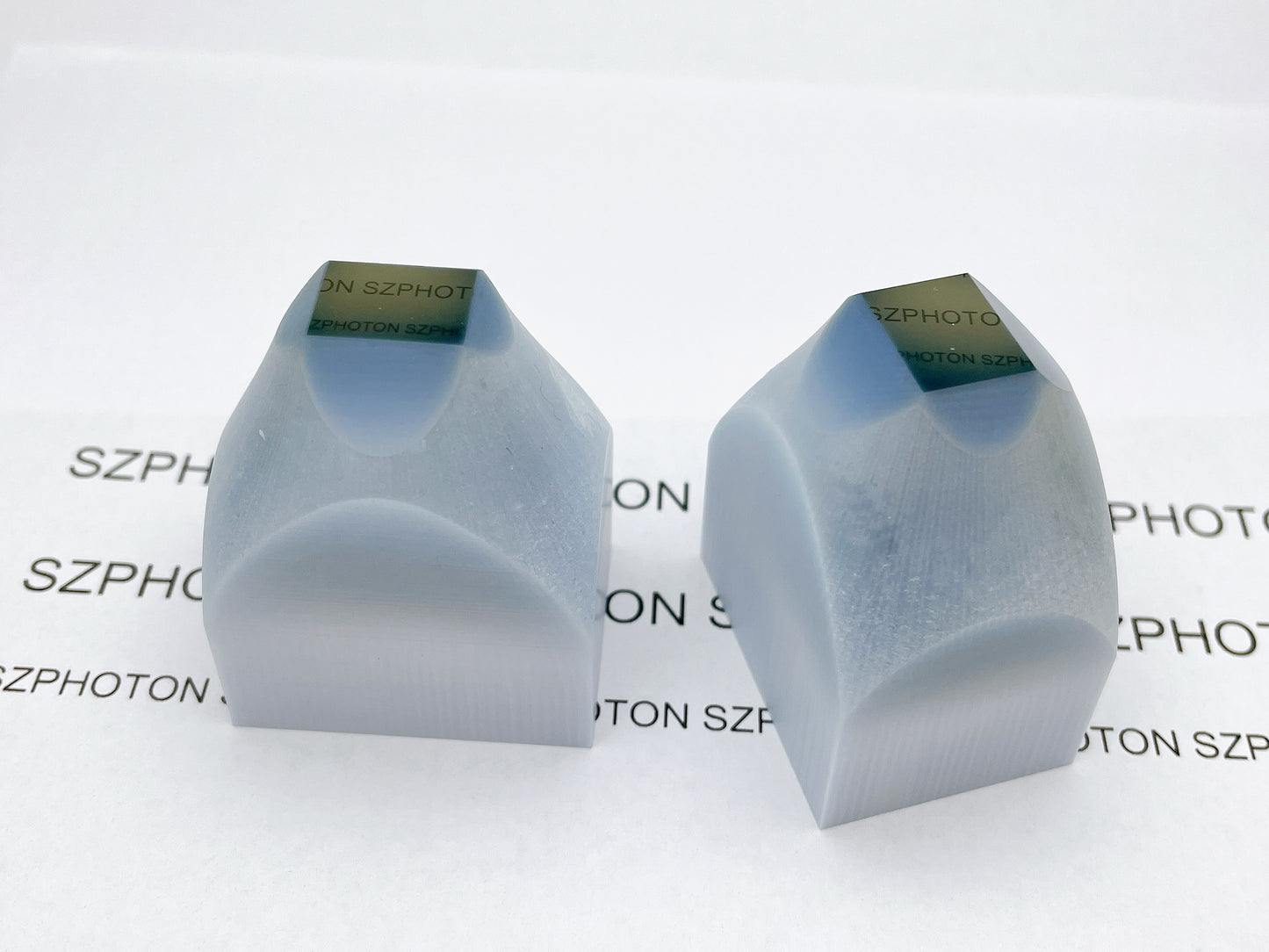
Rectangle Surface Fiber Optic Taper
-
Fiber Optic Taper with Concave Surface
-
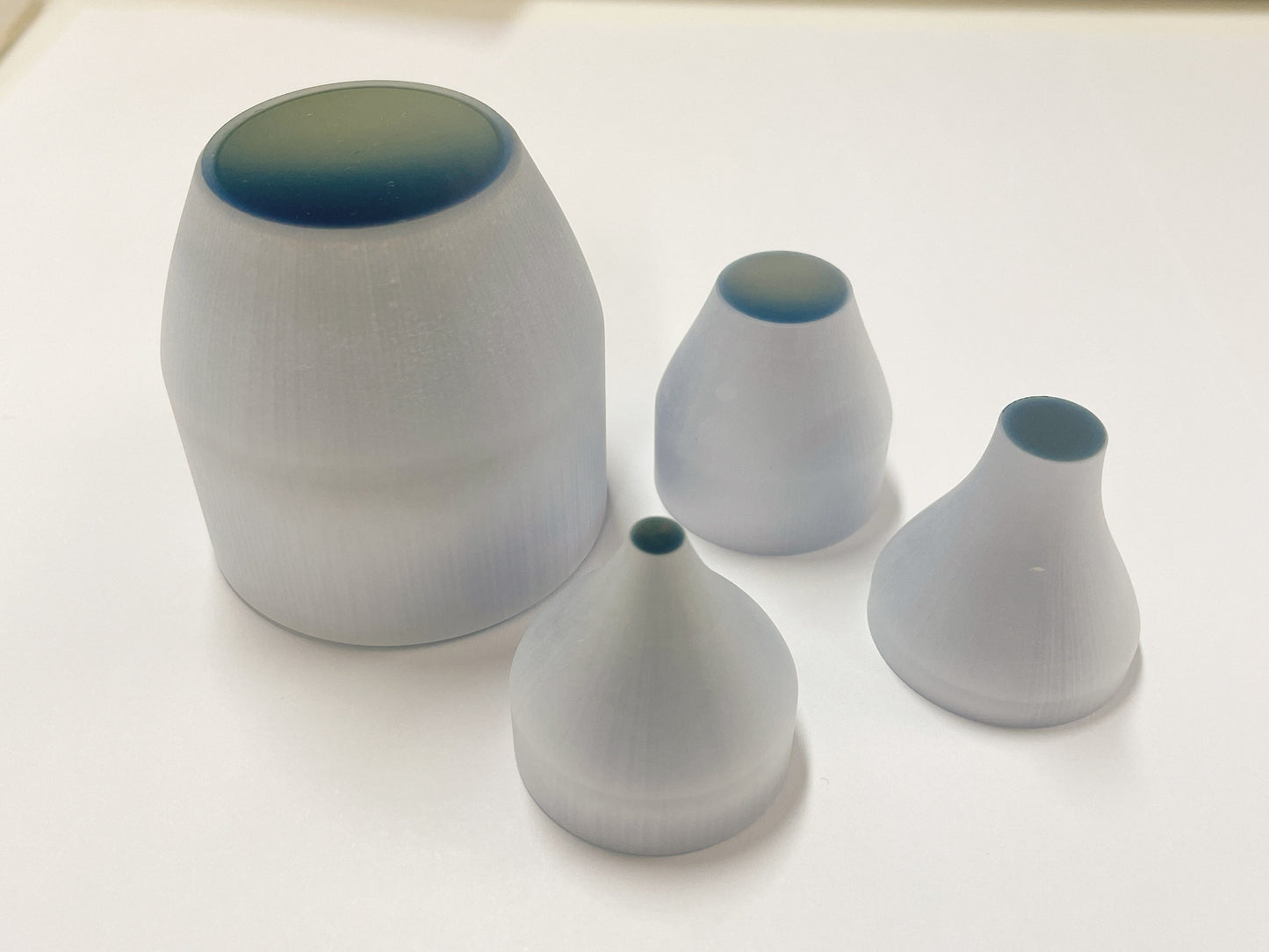
Different Material (Top View)
-
Different Material (Side View)
-
Different Material (Bottom View)
-
Beam Profiler
By integrating Fiber Optic Taper into the beam profiler, you can expand the sensory surface 2x - 3x easily.
- Compact Design (Compare with Lens)
- No Coma and Spherical Aberration
- Low Cost
- Easy Installation
-
-
Fluorescent Imaging
Using Fiber Optic Taper in the Fluorescent Microscopy system you can increase the field of view of the microscope by capturing a larger area of the sample at the input end and projecting it onto a smaller area of the detector at the output end. This can improve the throughput and efficiency of the imaging system.
- Reduce Aberrations and Distortion
- Enhance Contrast
For more information, you can refer to the following web sources: