跳至产品信息页
1 / 3

抗辐射光纤面板

抗辐射光纤面板

常规价格 $195.00 USD
常规价格 促销价 $195.00 USD
促销 售罄
尺寸(mm)\数值孔径(N. A)\光纤直径(um)\ 最小起订数量(moq)
数量


  • 保护传感器免受辐射损坏
  • 抗X射线褐变(长期使用后变成褐色)
  • 吸收荧光体产生的散射光 
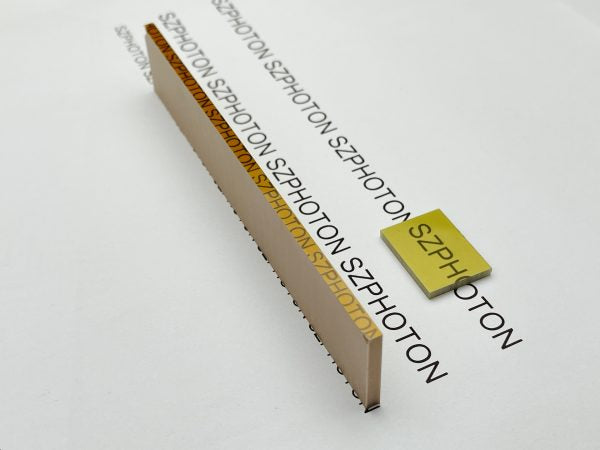
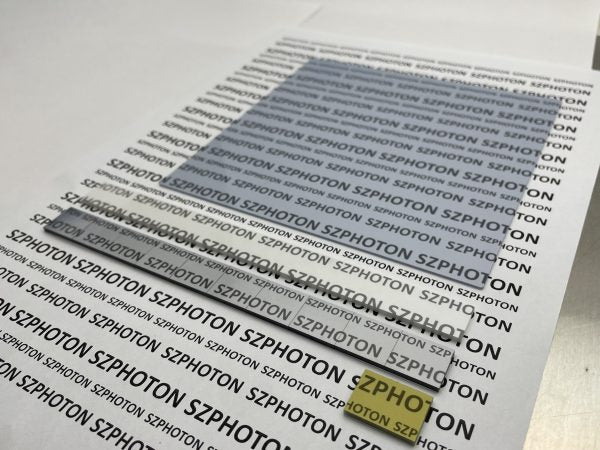
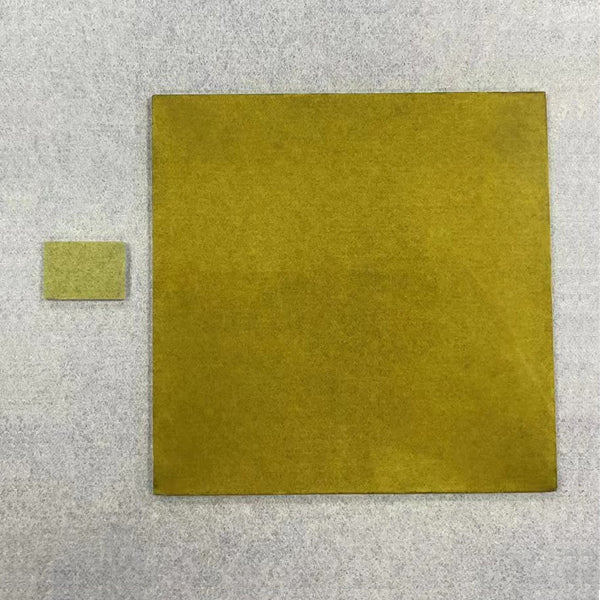
rhFOP由可以吸收X射线能量的材料制成。它可以保护传感器免受磷光体(闪烁体)的过量X射线泄漏的影响。这将延长传感器的寿命,并增加系统的信噪比。
rhFOP默认掺杂铈元素

查看完整详细信息
  • Single Fiber diameter

    Smaller fiber size means higher resolution. (2.5um = 218lp/mm , 6um = 114um )

    • 2.5um
    • 3um
    • 4um
    • 6um
  • Maximum Size (Diagonal)

    Production cost will increase sharply once diagonal surpass 130mm. If you need a bigger size, please contact us.

    • Max. size Φ200mm
  • Thickness

    With a larger size of FOP, the minimum thickness required will also go up in order to maintain the structure. Usually thickness will go around 1mm - 3mm.

    • Minimum 0.2mm
  • EMA Absorber

    EMA are special fibers insert in-between the standard fibers. They are using to absorb stray light between fibers. But at a cost of lowering the overall transmission.

    • Interstitial EMA (Left)
    • Without EMA (Right)
  • Numerical Aperture

    Numerical Aperture are decided by the material using to produce the FOP.

    • NA = 1.0
  • X-ray Shielding Ability

    Thickness: 1.2mm, X-Ray Power 140KVp.

    • 93%
  • Phosphor Compatible

    • Yes
  • Materials

    We have 2 types material for making rhFOP.

    Lead Free and With Lead. Performance are different.

    • Using FOP with Scintillator

      CsI(Tl) has a primarily columnar crystal structure as seen in Figure below) and, depending on the conditions, approximately 83% is reflected within the columnar crystal.

      For this reason, light is guided into the crystal wall and a certain fraction is guided into the photodiode direction. These are referred to asstructured scintillators. CsI (Tl) scintillator can be deposited on substrates such as glass, which is then flipped and adhered to the photodiode. It can also be deposited directly on the photodiode or deposited on the fiber optic plate.

    • Phosphor Scattering

      While light travelling within the phosphor, the light will spread—the amount of diffusion being proportional to the path length required to escape the phosphor. X rays interacting close to the photodetector give rise to a sharper (less blurred) optical signal than those which interact more distantly. The paths of most optical quanta will be shortest if the photodetector is placed on the x-ray entrance side of the phosphor.

      Fiber optic plate can and directly coupling to CCD/CMOS and absorb scattering light that may blur the image.  Which will improve the SNR of the system.