
광섬유 테이퍼(FOT)
광섬유 테이퍼(FOT)
픽업 사용 가능 여부를 로드할 수 없습니다.
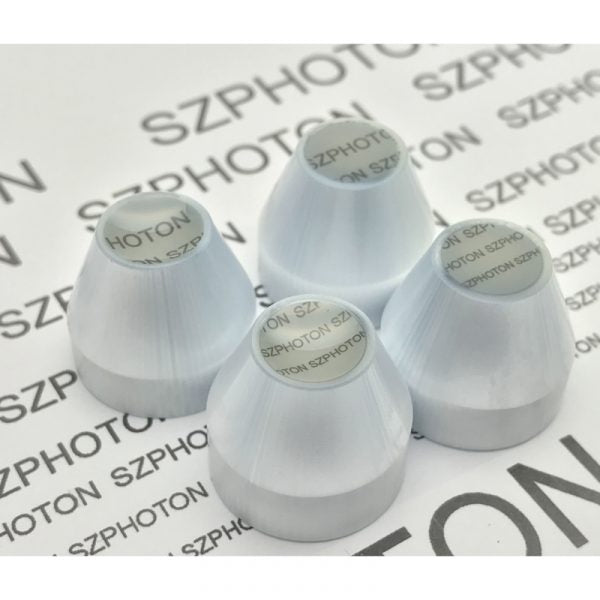
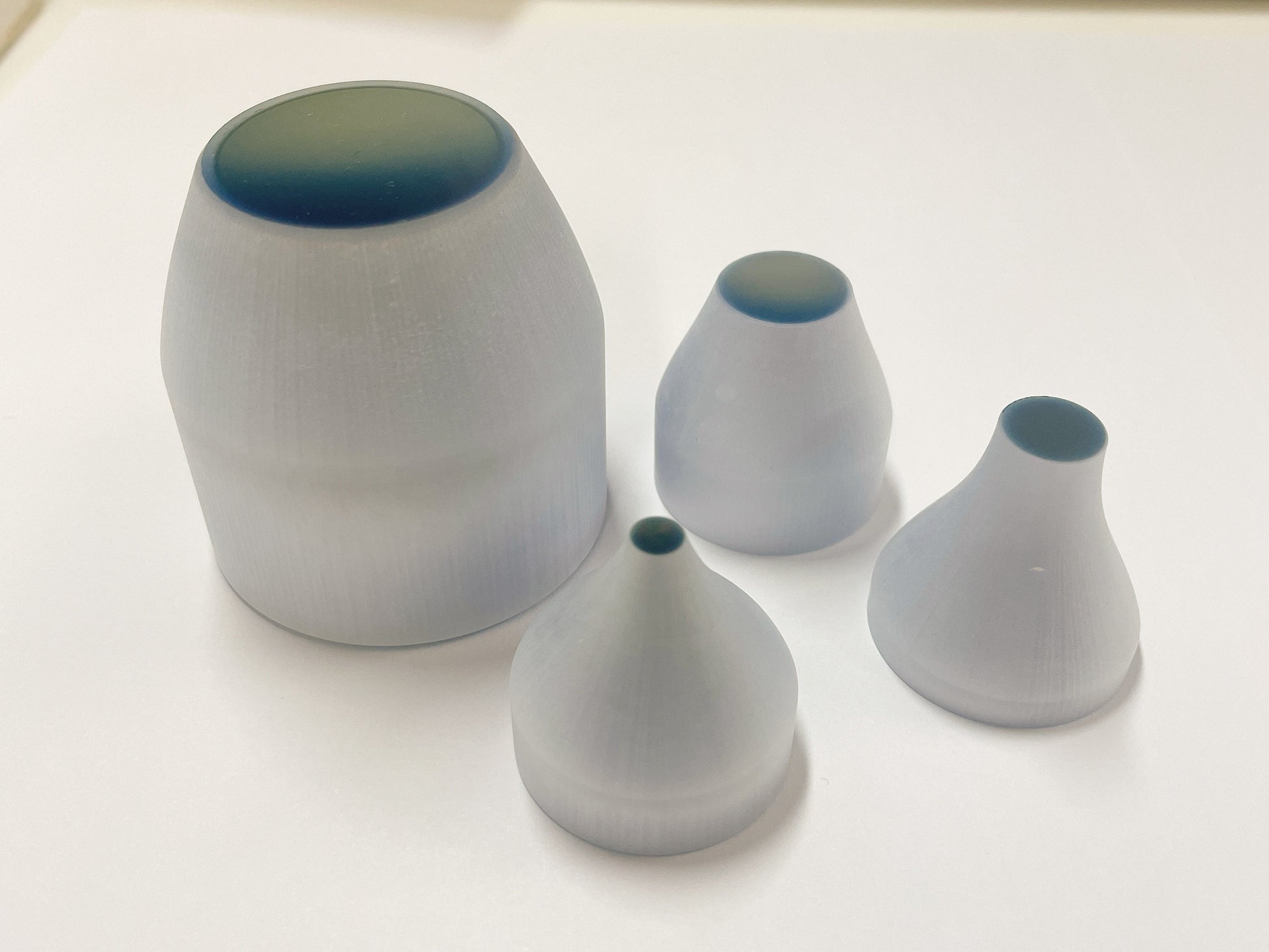
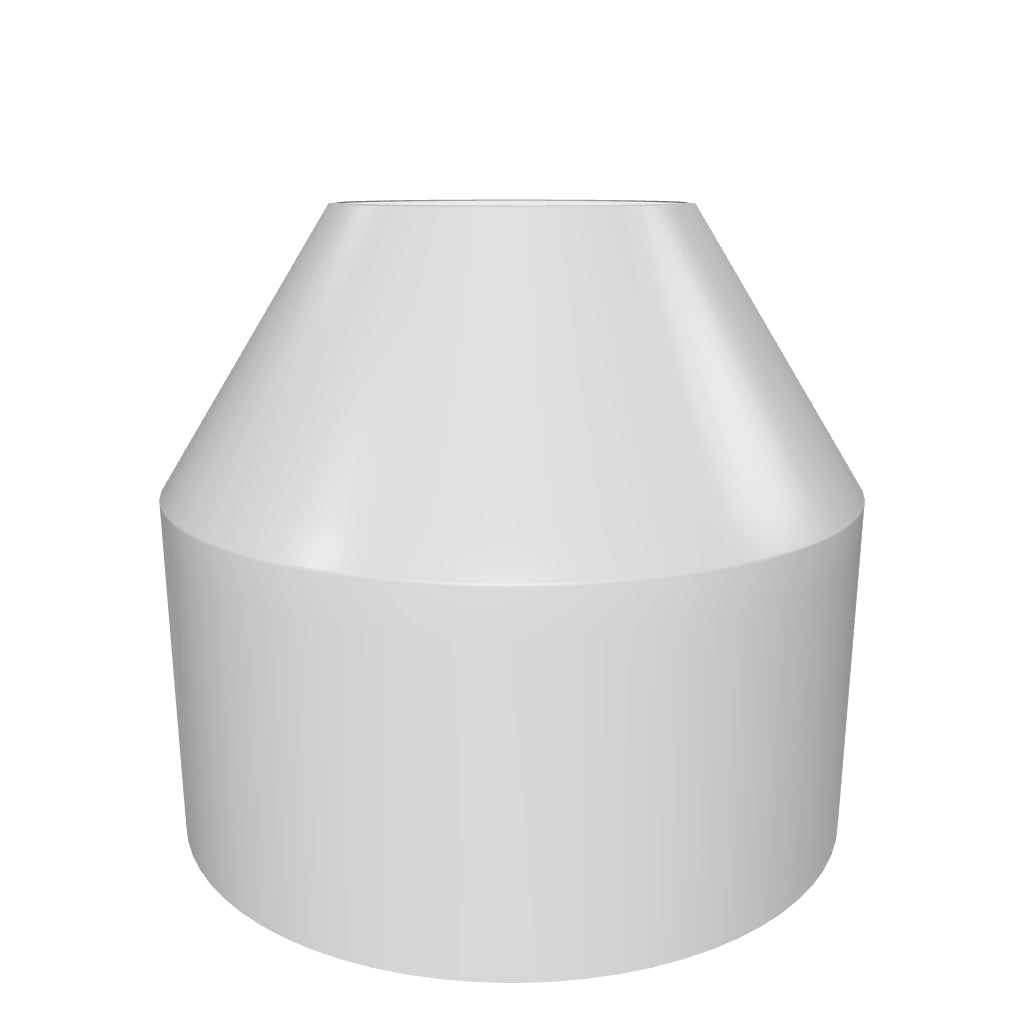
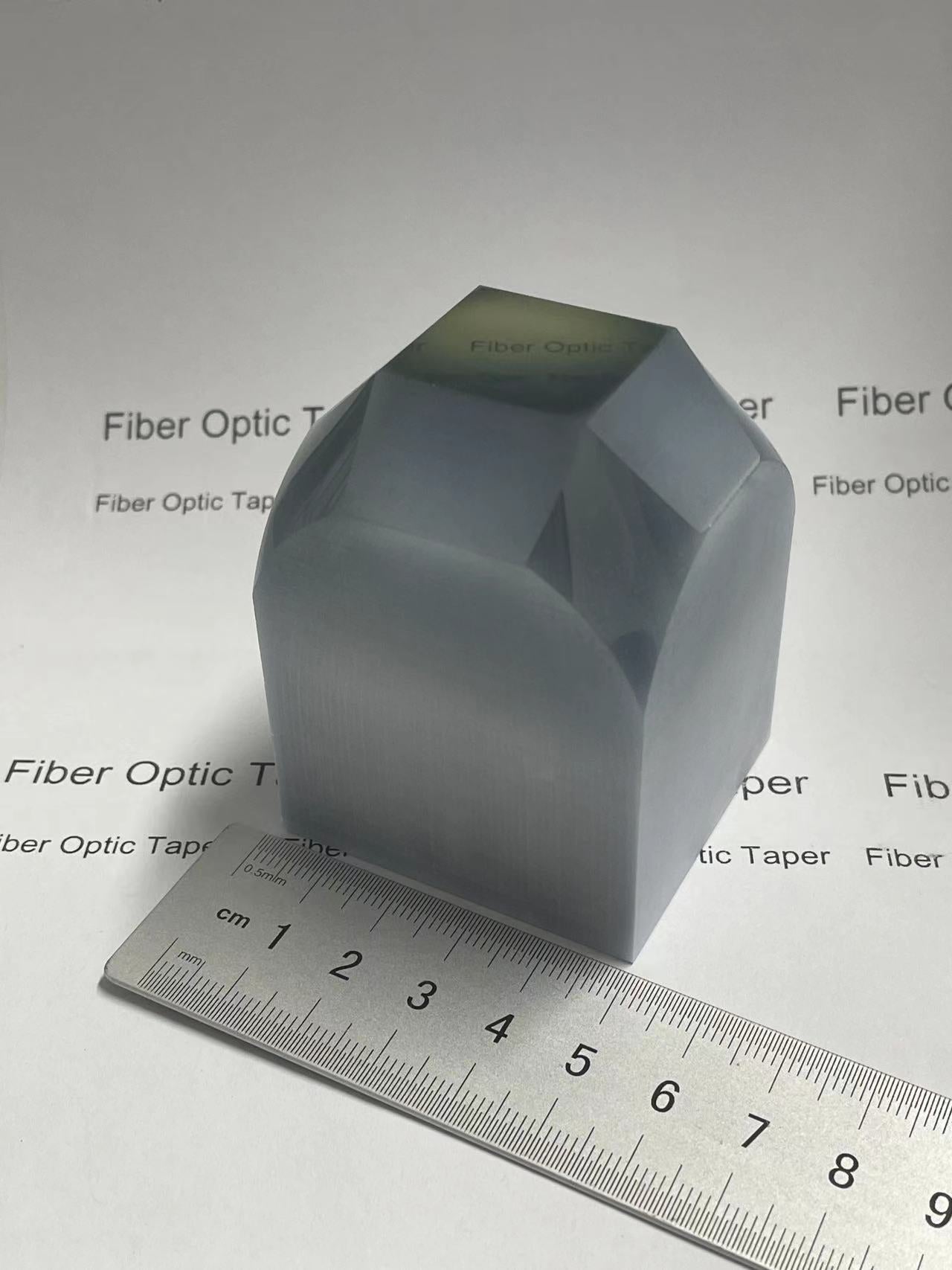
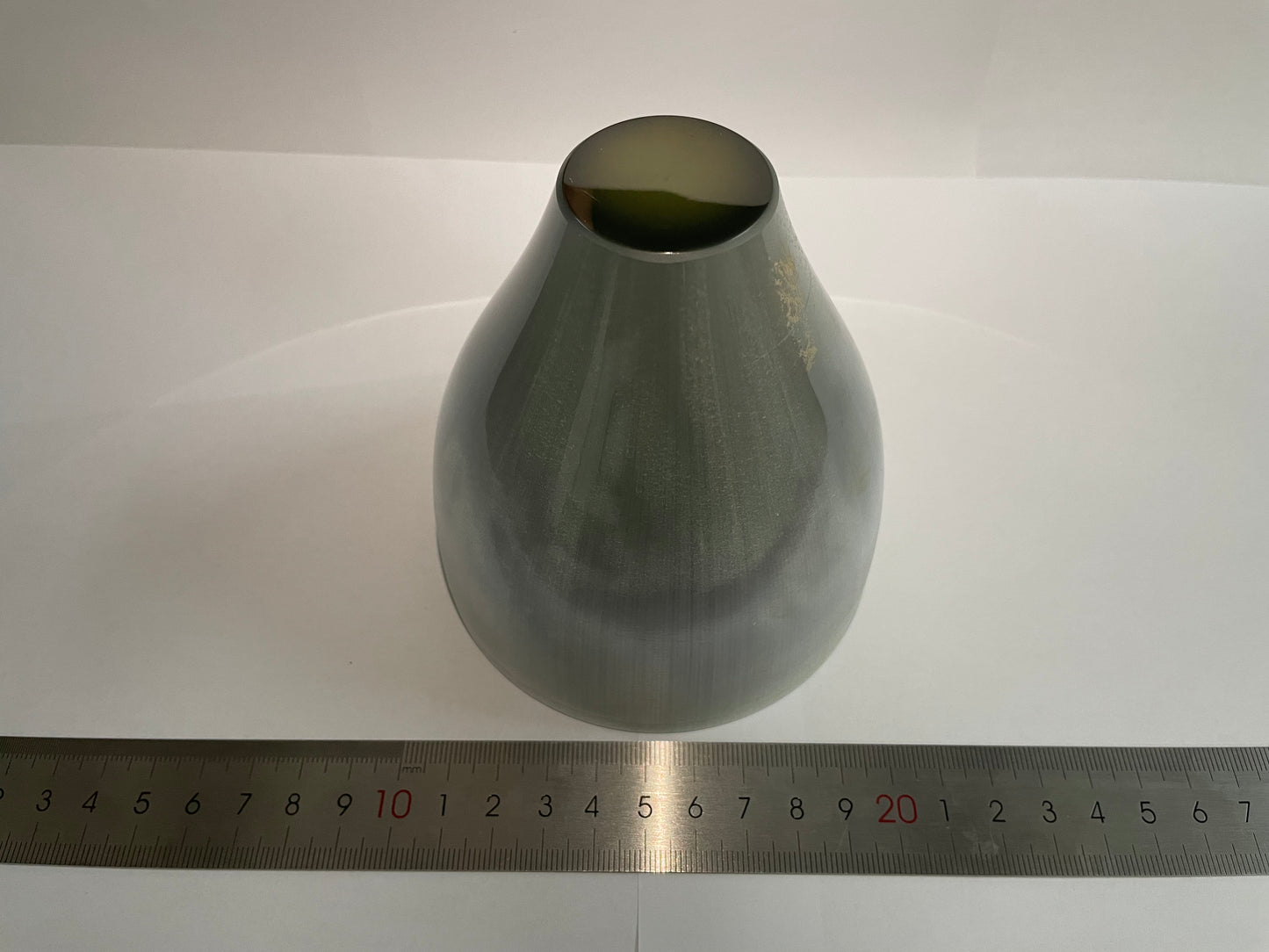
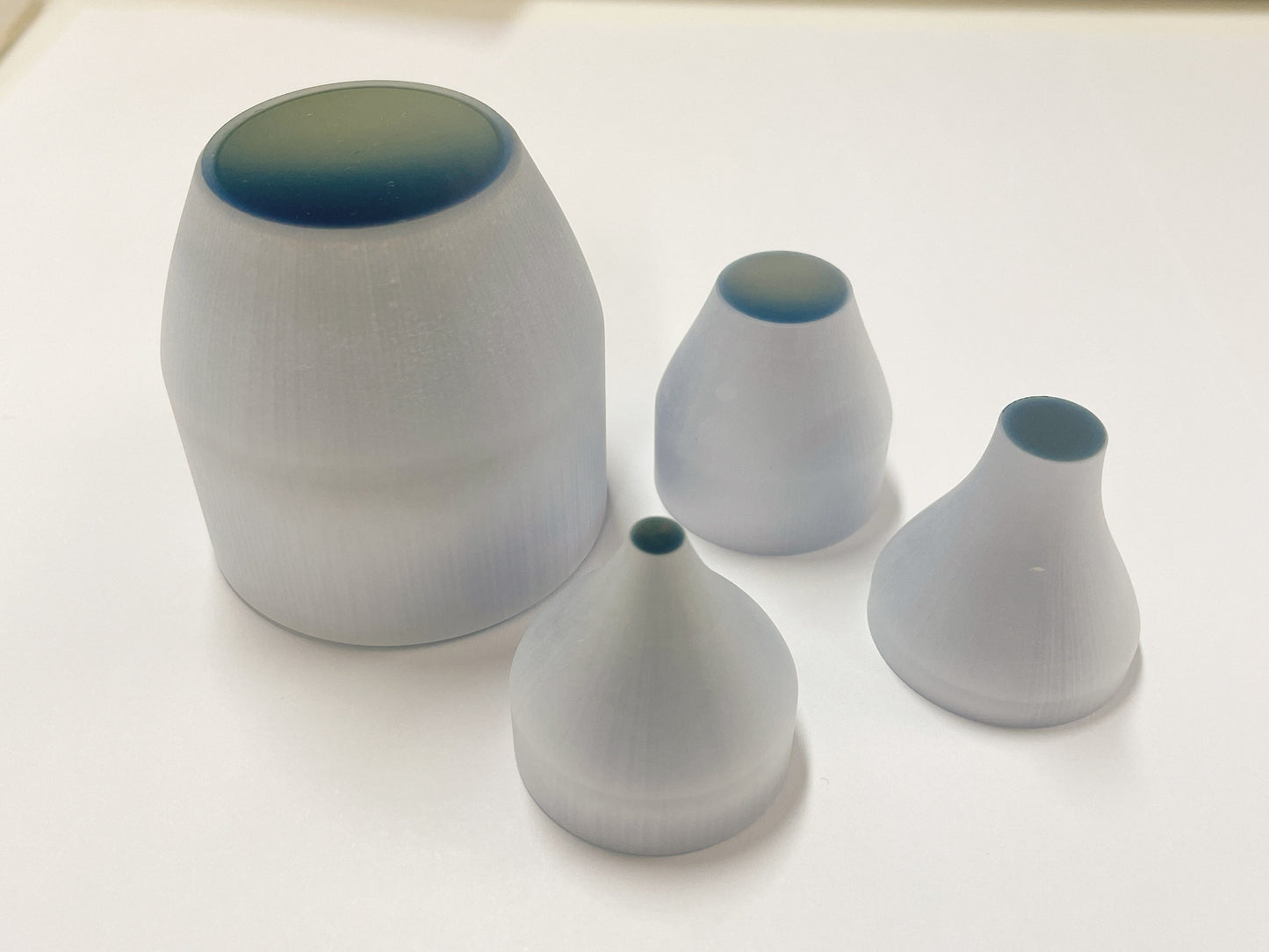
광섬유 테이퍼는 다른 크기의 광학 이미지를 한쪽 끝에서 다른 쪽 끝으로 전송할 수 있는 장치입니다. 이는 테이퍼 모양으로 배열된 광섬유 묶음으로 구성되어 있으며, 이는 묶음의 직경이 장치의 길이를 따라 변한다는 것을 의미합니다. 테이퍼 비율은 입력 직경과 출력 직경의 비율이며, 이미지의 확대 또는 축소를 결정합니다.
광섬유 테이퍼는 다양한 용도로 사용할 수 있는데, 예를 들어 다양한 크기의 센서에 맞게 이미지를 조정하거나, 빛 에너지를 집중시키거나, 광학 시스템의 크기를 줄이는 데 사용할 수 있습니다.
- 1.5배 – 7배 이미지 확대(또는 농도)
- 컴팩트한 구조(렌즈 시스템보다 부피가 적음)
- 구면수차, 코마수차 없음
- 쉬운 구성(센서에 직접 연결)
Specifications
-
(Large End) Fiber Diameter
The fiber size on large end of the taper
- Typical Value: 6.0um / 10.0um
- Min Value: 4.0um
- Max Value: 15.0um
*Note: The fiber diameter is different on big end and small end.
-
(Small End) Fiber Diameter
The fiber size on the small end of the taper.
*Note: This is a dependency value, which related to Magnification ratio and Large End Fiber Diameter
- Typical Value: ≥2.5um
- Min Value: 2um
- Max Value: NA
-
Magnification Ratio
Key Parameter of Fiber Optic Taper. Defines the Magnifying power of the component.
- Typical Value: 1.5x-3x
- High Value: 3.1x- 7.0x
*Note:
- Higher magnification ratio may reduce the light transmission further.
- FOT with 3X magnification usually needs customization.
-
Shape of FOT
The geometric of Large end and Small end of the Fiber Optic Taper.
Typical Shapes:
- Round to Round
- Square to Square
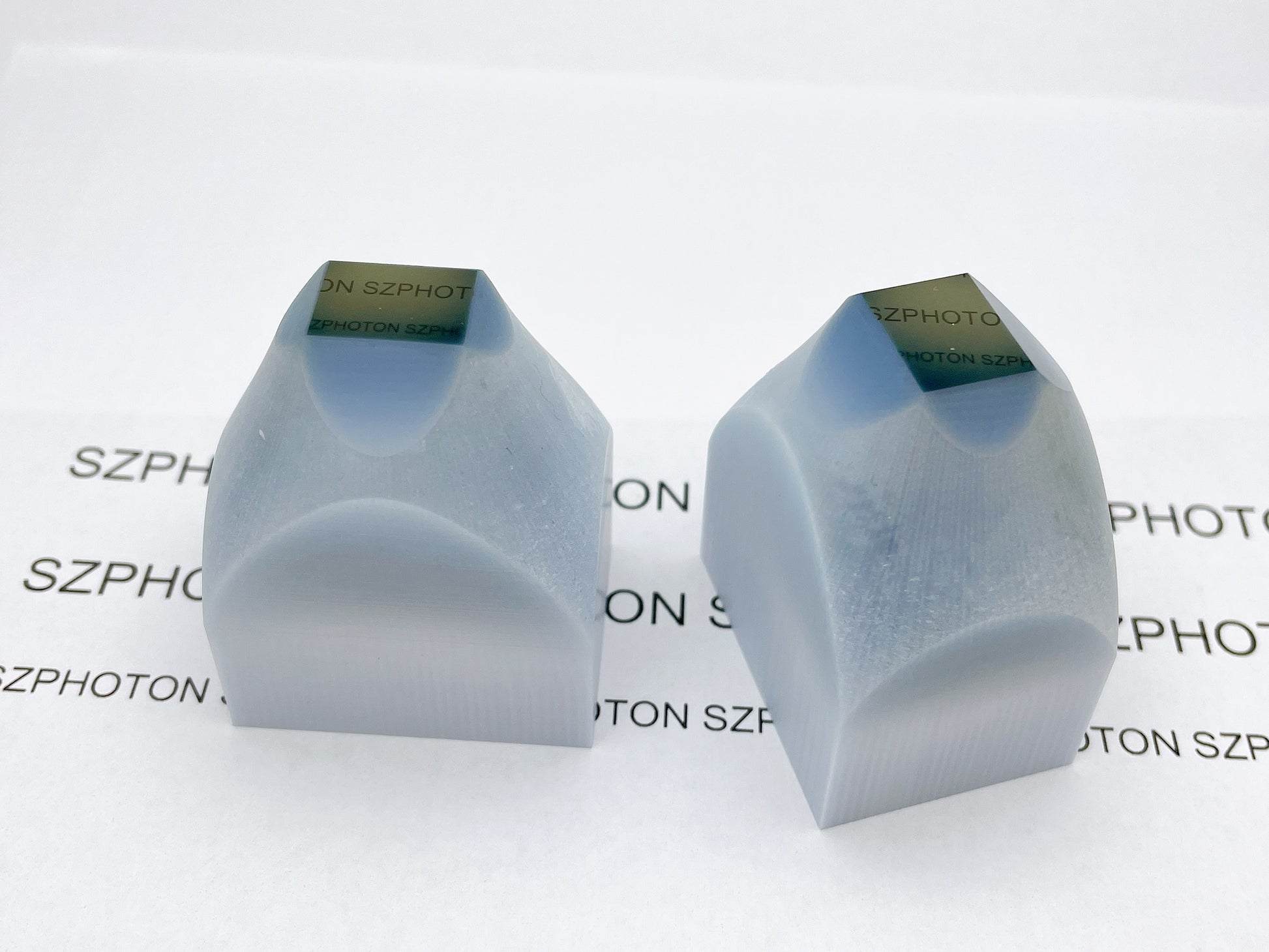
Availablility: Square, Round, Step, Concave
-
Numerical Aperture (N.A)
The numerical aperture (NA) for fiber is a measure of the range of angles within which light that is incident on the fiber will be transmitted along it.
- Theorical Value: 1
- Practical Value: 0.65 - 0.85
*Note:The numerical aperture here is referred to N.A on small end.
-
Resolution
The resolution here is expressd in the terms of lp/mm.
Typical Value:
- 50lp/mm (10um)
- 102lp/mm (6um)
- 166lp/mm (3um)
- 230lp/mm(2um)
*Note:Testing with USAF1951, all results are under theoretical testing condition.
"lp/mm" is a pair of black and white squares in object space, which are the smallest elements that can be distinguished by the system.
-
Material Characteristic
- Thermal Expansion Coeff.
(20-300°)
= (60-90) x 10**(-7) / °C - Vacumm Tightness
< 10 - 12Pa · m3/s - Transmission (Collimated Light)
Approx 75 ~ 85% - Wavelength Range
400nm ~ 1400nm - Interestital Fibers (EMA)
Yes - XRAY Absorption
Yes
*Note:EMA are used to absorb the stray light inside the fiber optic taper.
- Thermal Expansion Coeff.
-
Quality Factors
Below are typical quality metrics for Fiber optic taper, final products may vary depends on the setup.
- Surface Quality: 40-20
- Surface Accuracy: 2λ (P-V)
- Max Shear Distortion: <40um
- Max Gross Distrotion: <65um
- Max Image Shift: <180um
- Max Barrel Distrtion: <3%
- Max Blemishes: < 90um
- Clear Aperture: 90% - 95%
-
Height of the Taper
- Taper Height: Minimum Taper Height can be made to 0.8-1.0x of the Large End Taper Diameter
For example, a taper with large end diameter of 30mm will have a height around 24~30mm.*Note:This is not a definite value, could vary depending on the tapering process
-
Customizable Specifications
These are the independent specifications you can change freely when customizing a Taper.
- Surface Size
- Shape
- Large End Fiber Diameter
- Magnification Ratio
Below are dependency specifications of the fiber optic taper. (Related to other properties, can't be changed independently)
- Small End Fiber Diameter
- Resolution
- N.A (Inherit from material)
- Transmission
-
Designing Tips
- Bigger surface will cost more than smaller surface. A surface diameter less than 50mm is good for saving the cost.
- Transmission is inherit from the material property and also related to the taper height.
- If you haven't use the Fiber Optic Taper before, consider to buy a stock unit from us to understand its performance better.
-
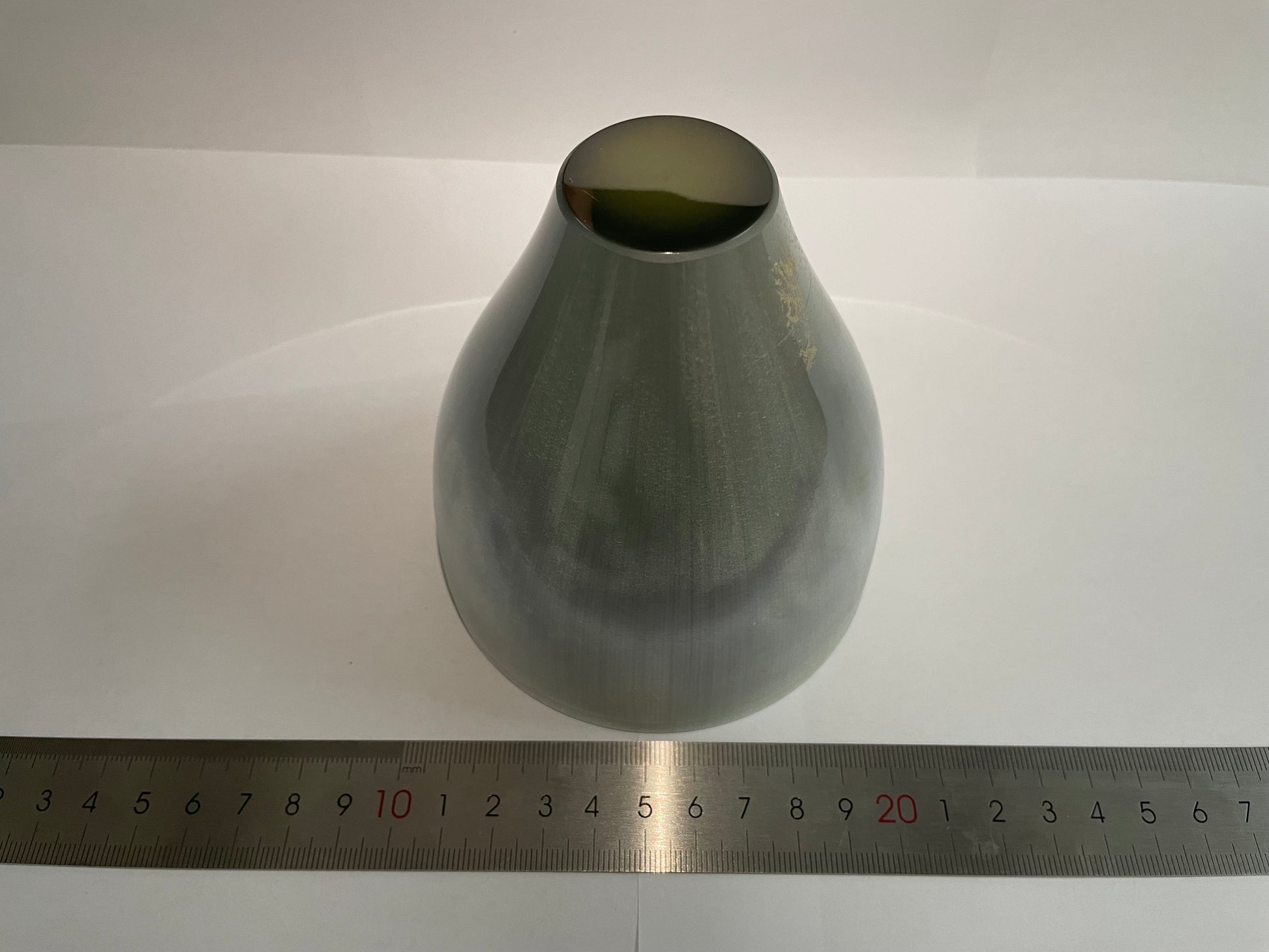
Fiber Optic Taper with 7x Magnification Ratio
-
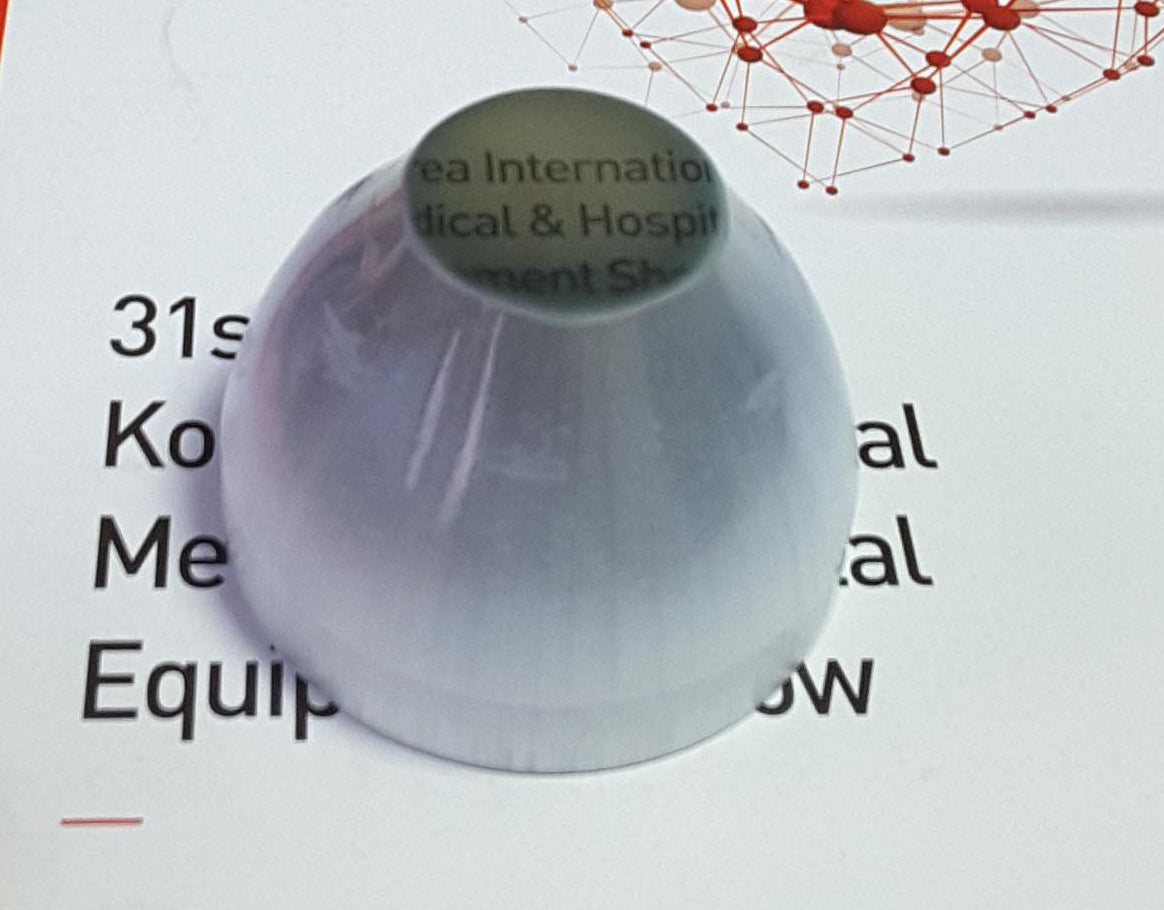
Fiber Optic Taper with 3x Magnification Ratio
-
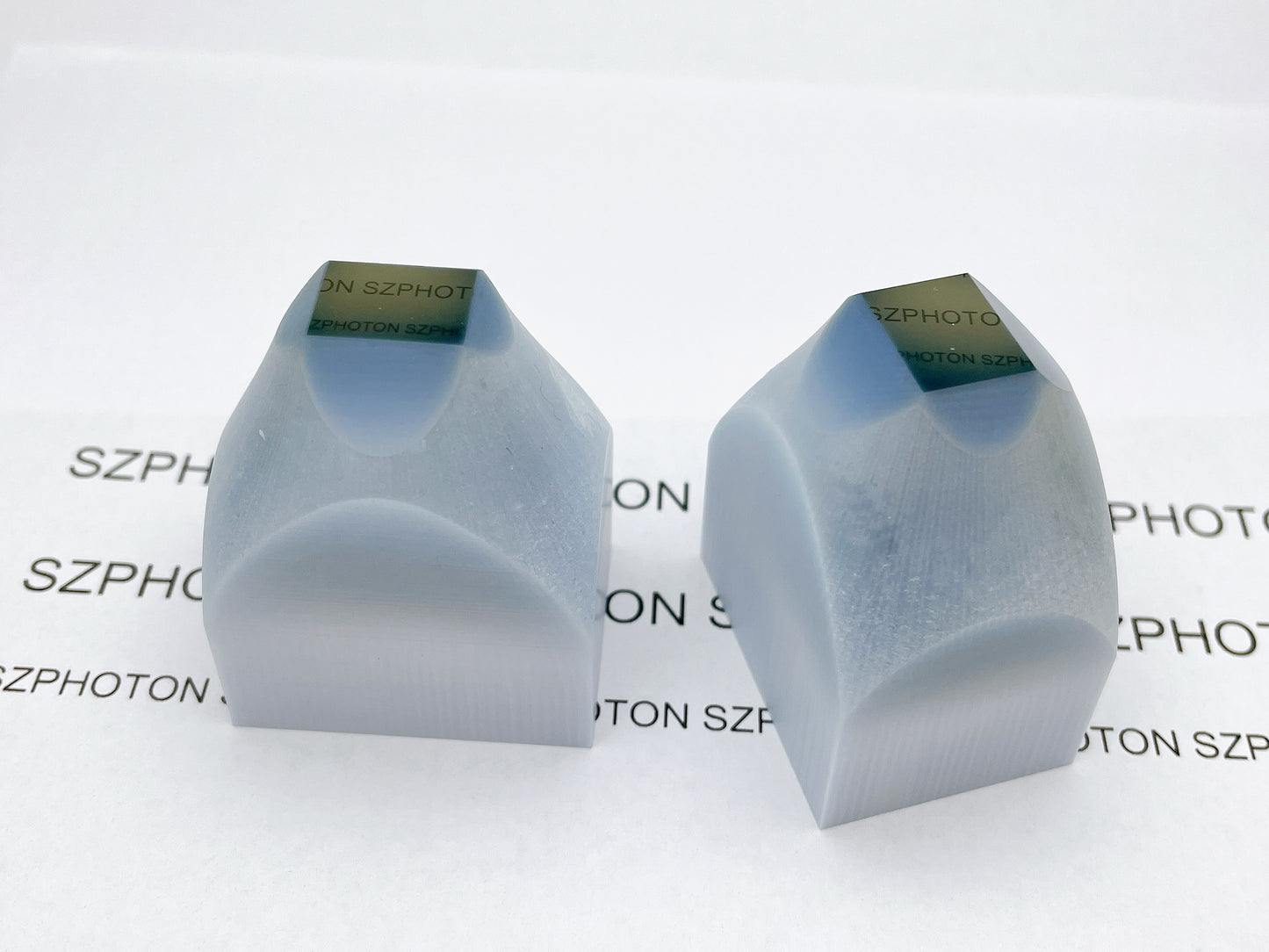
Rectangle Surface Fiber Optic Taper
-
Fiber Optic Taper with Concave Surface
-
Different Material (Top View)
-
Different Material (Side View)
-
Different Material (Bottom View)
-
Beam Profiler
By integrating Fiber Optic Taper into the beam profiler, you can expand the sensory surface 2x - 3x easily.
- Compact Design (Compare with Lens)
- No Coma and Spherical Aberration
- Low Cost
- Easy Installation
-
-
Fluorescent Imaging
Using Fiber Optic Taper in the Fluorescent Microscopy system you can increase the field of view of the microscope by capturing a larger area of the sample at the input end and projecting it onto a smaller area of the detector at the output end. This can improve the throughput and efficiency of the imaging system.
- Reduce Aberrations and Distortion
- Enhance Contrast
For more information, you can refer to the following web sources: